Svalbard
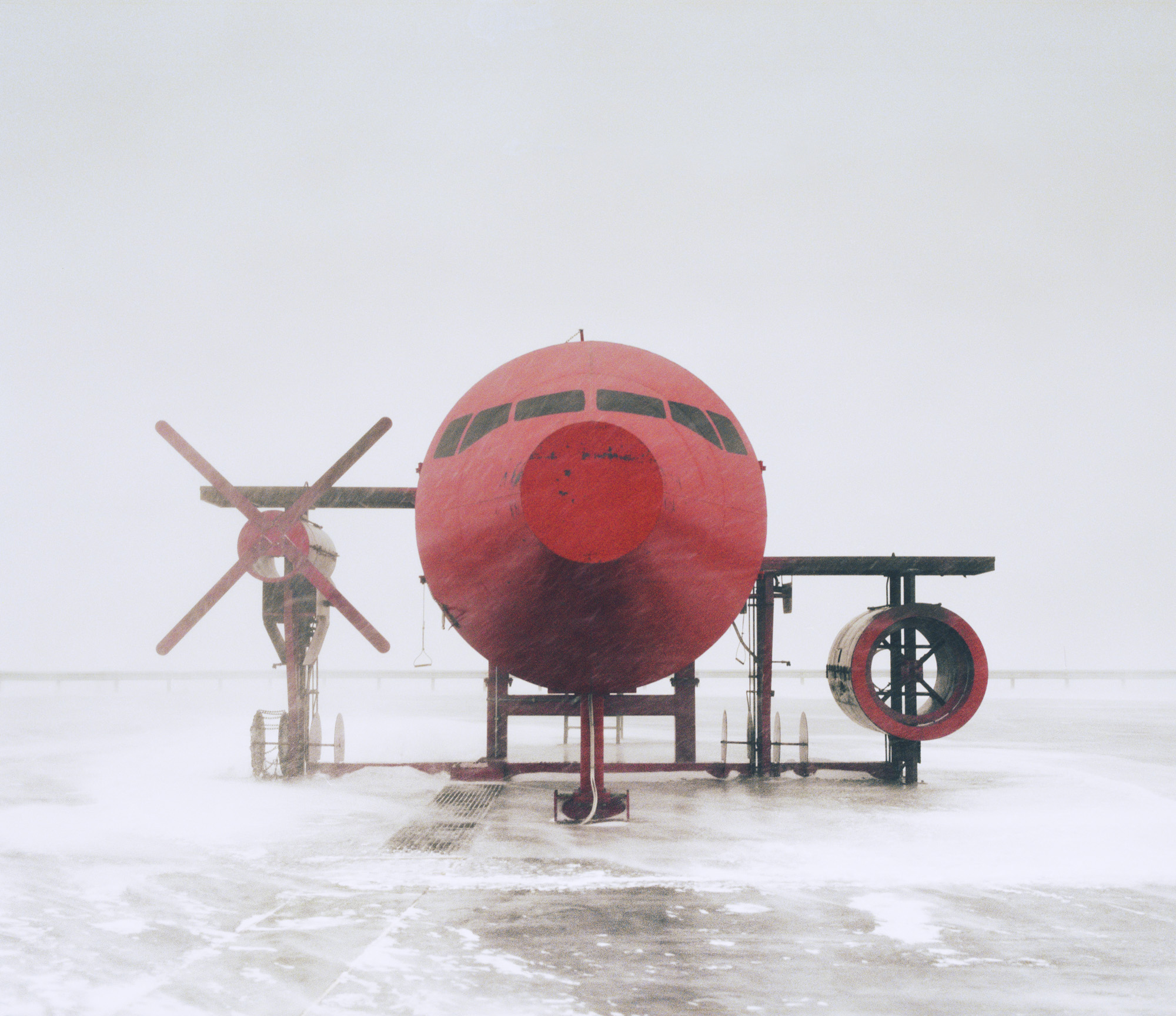
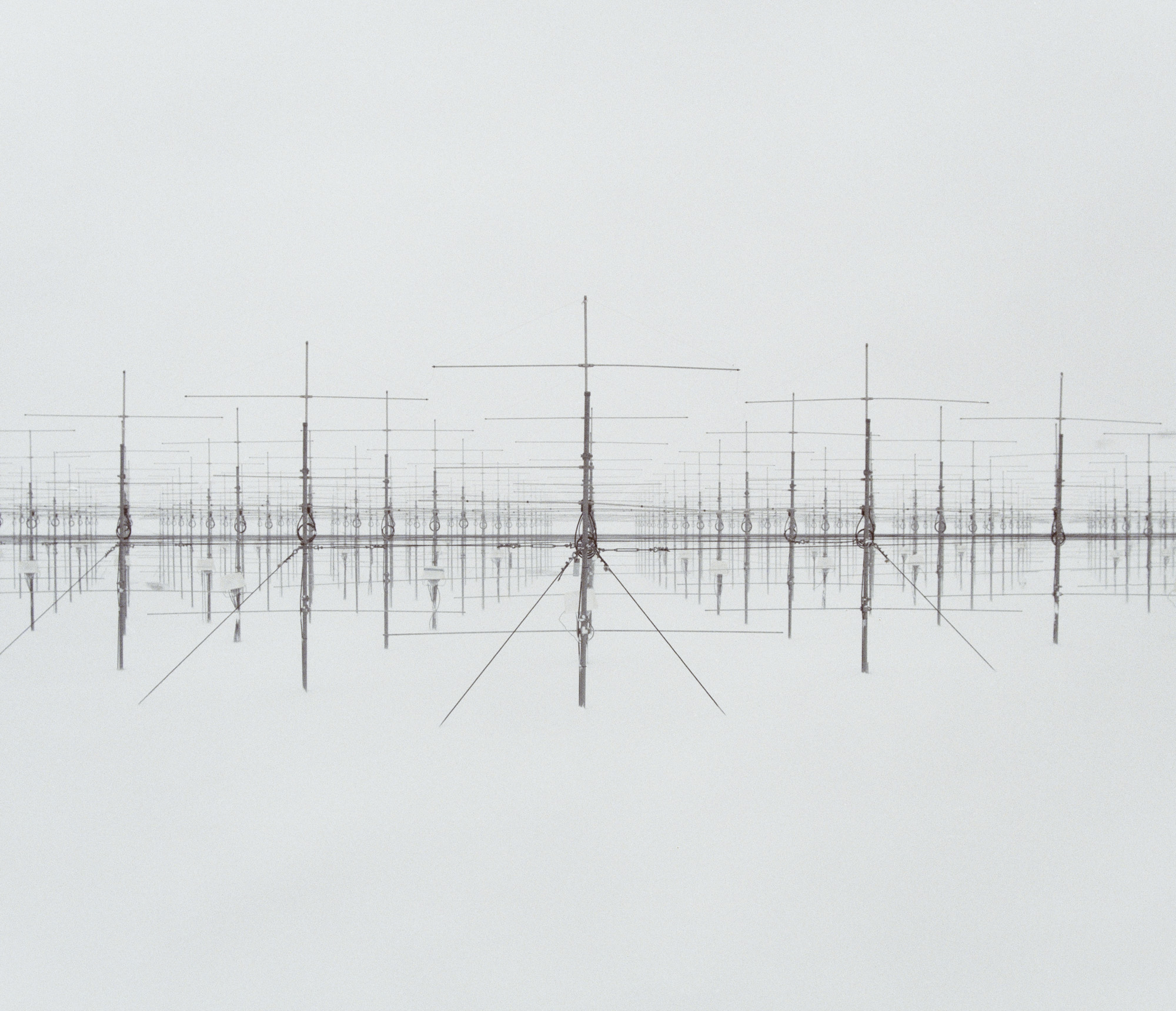
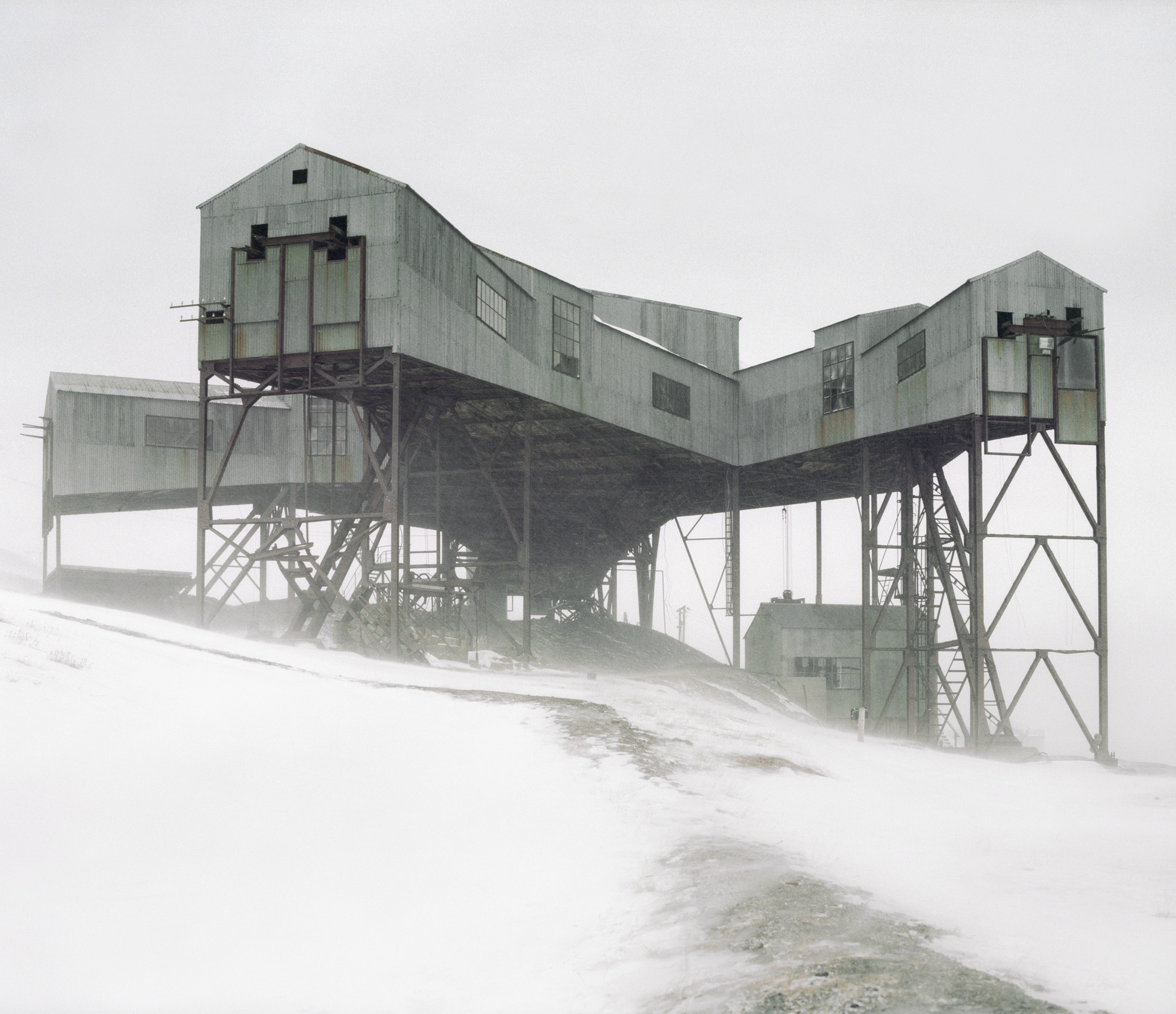
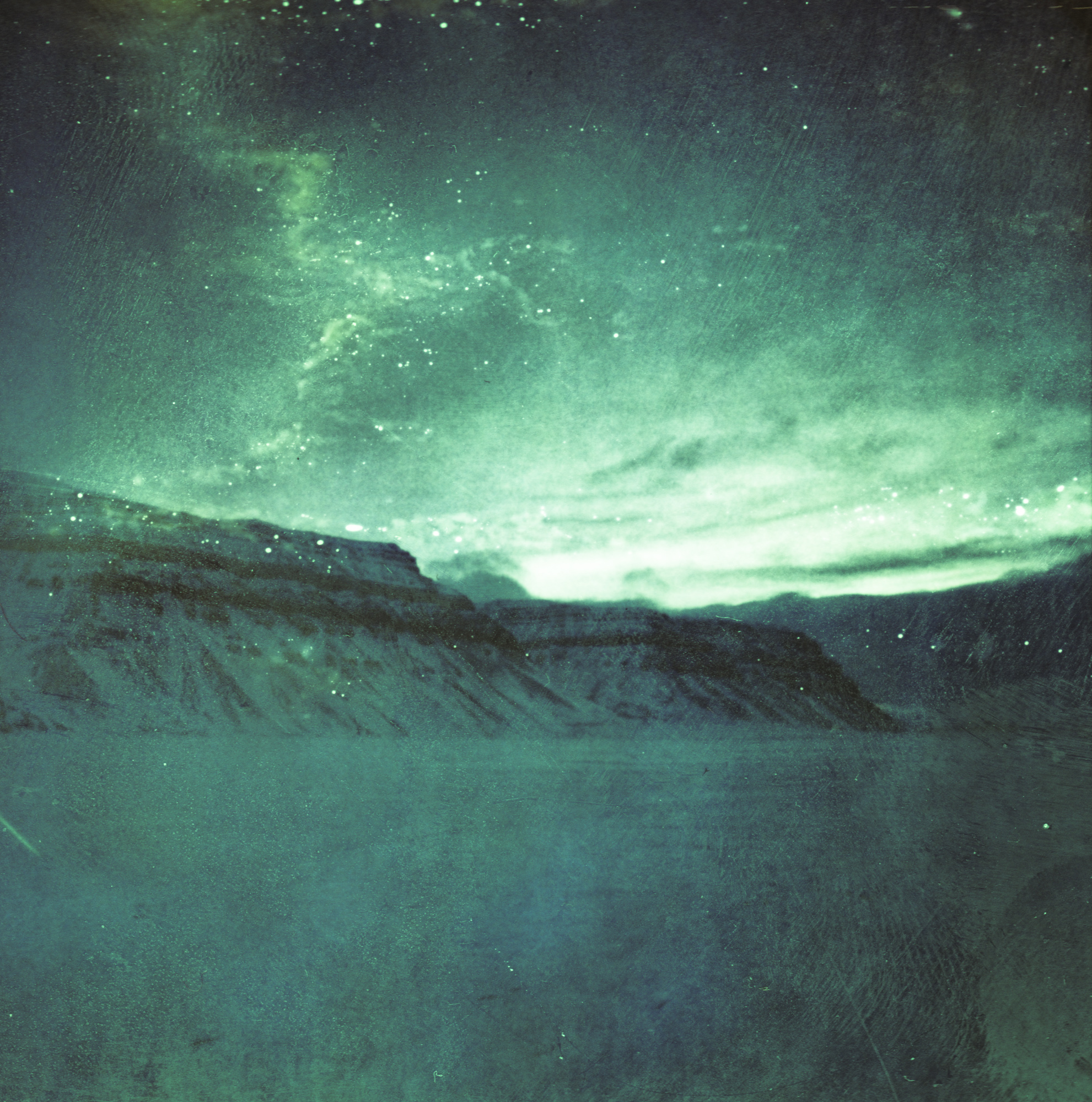
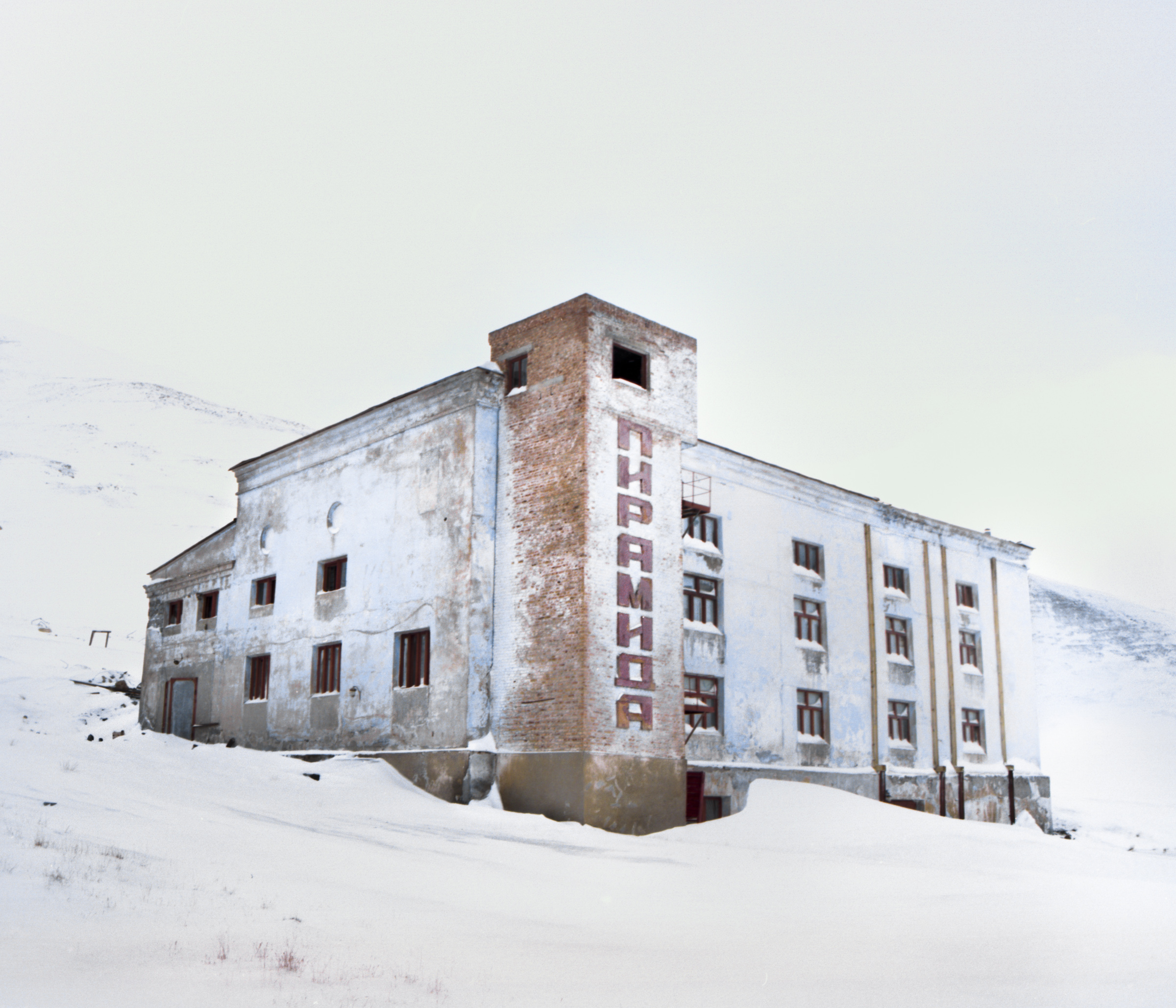
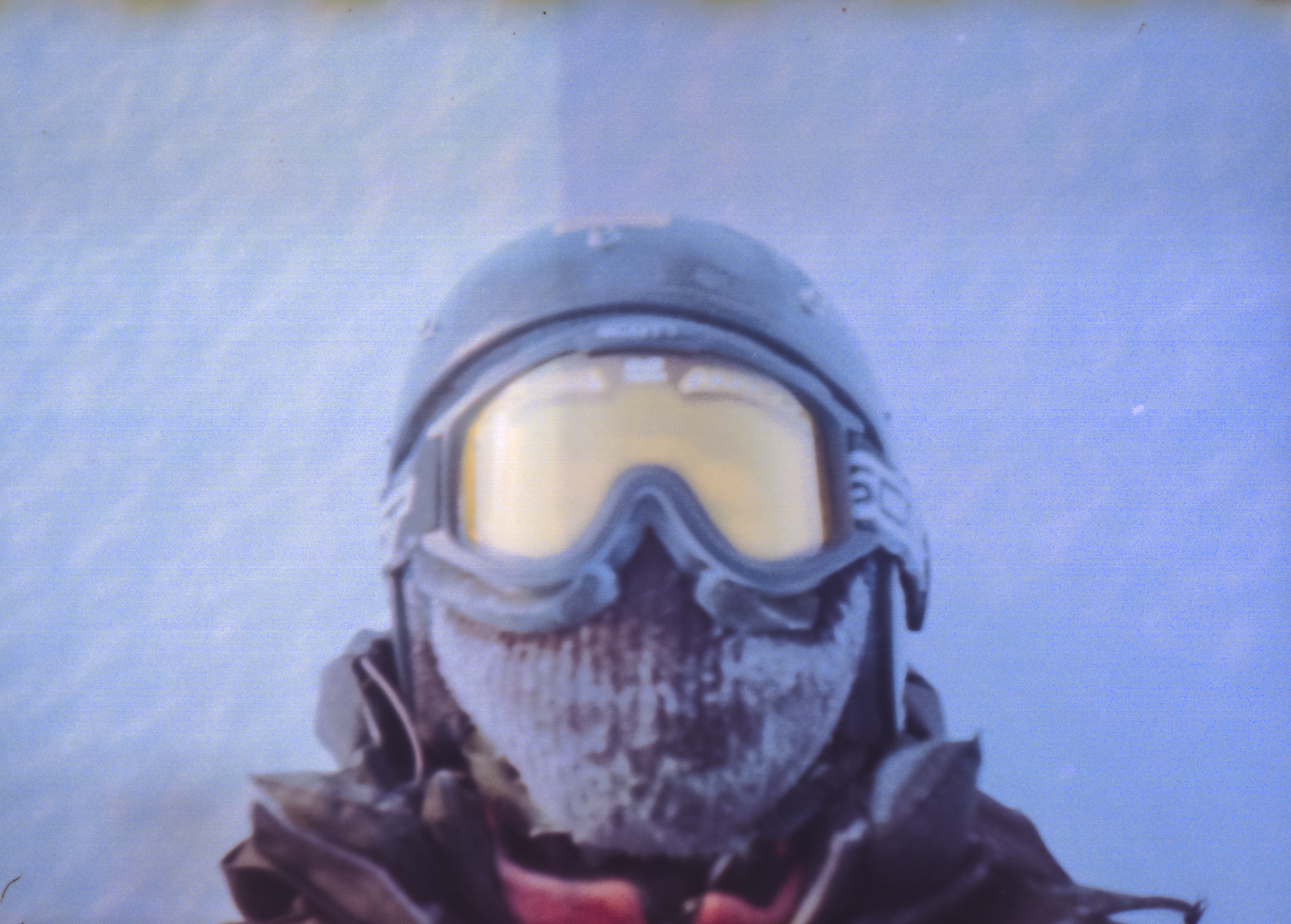
In 2011, I embarked on my first expedition dedicated entirely to photography, traveling to Svalbard, Norway, as close to the North Pole as one can reach without chartering a plane. This Arctic archipelago had captured my imagination long before I arrived: the Global Seed Vault buried in the permafrost, the abandoned Soviet mining town of Pyramiden with its derelict machinery frozen in time, and remote weather monitoring stations scattered across the barren landscape.
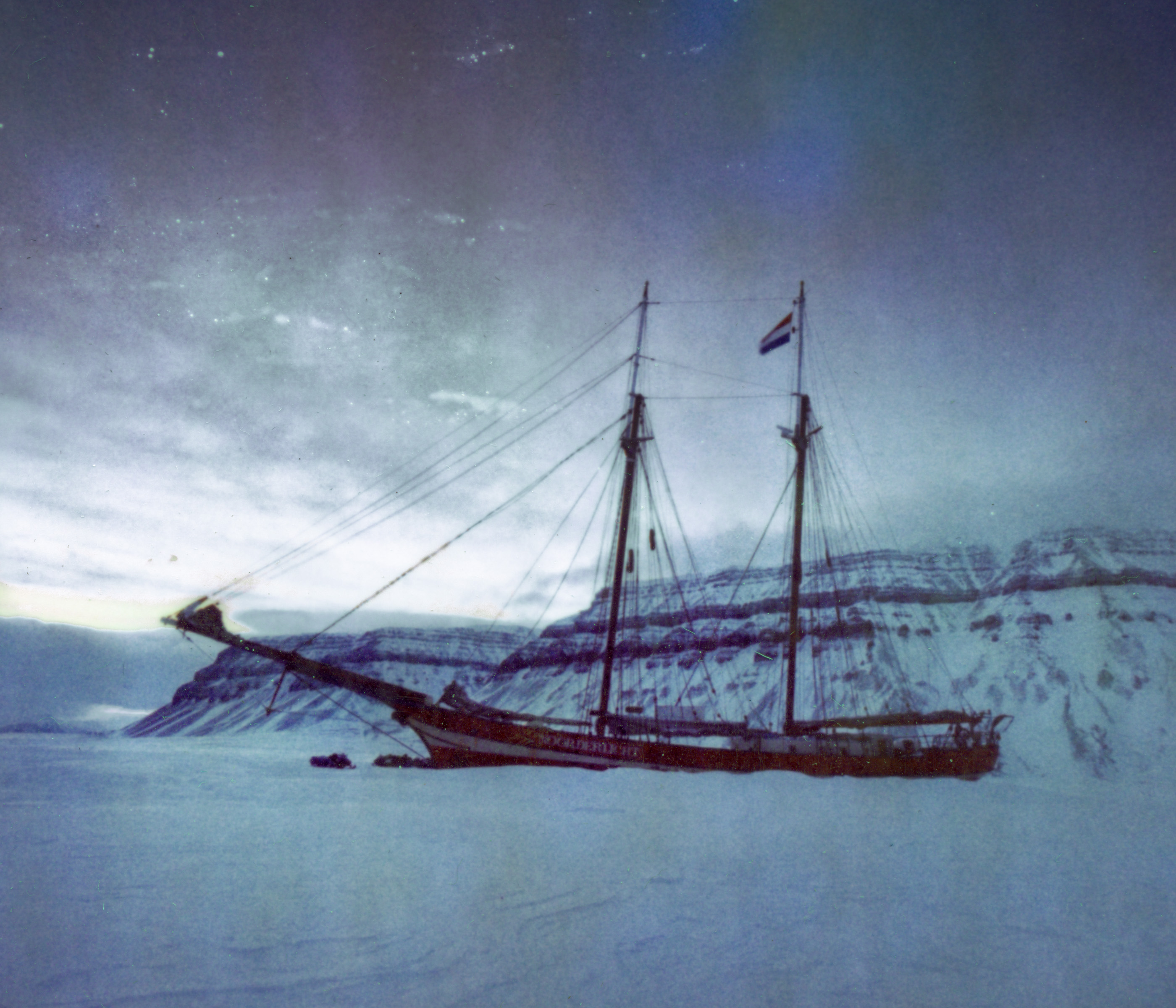
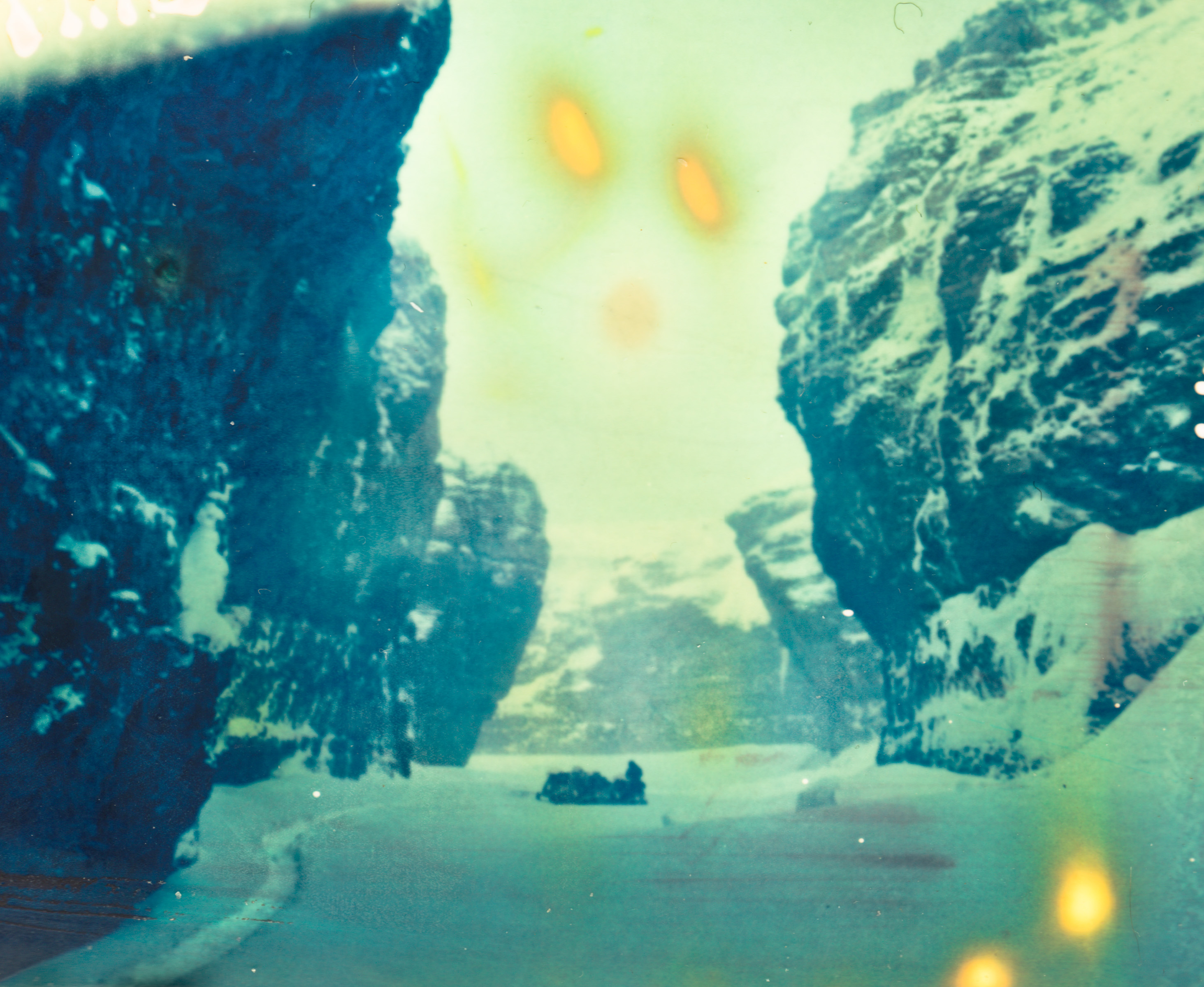
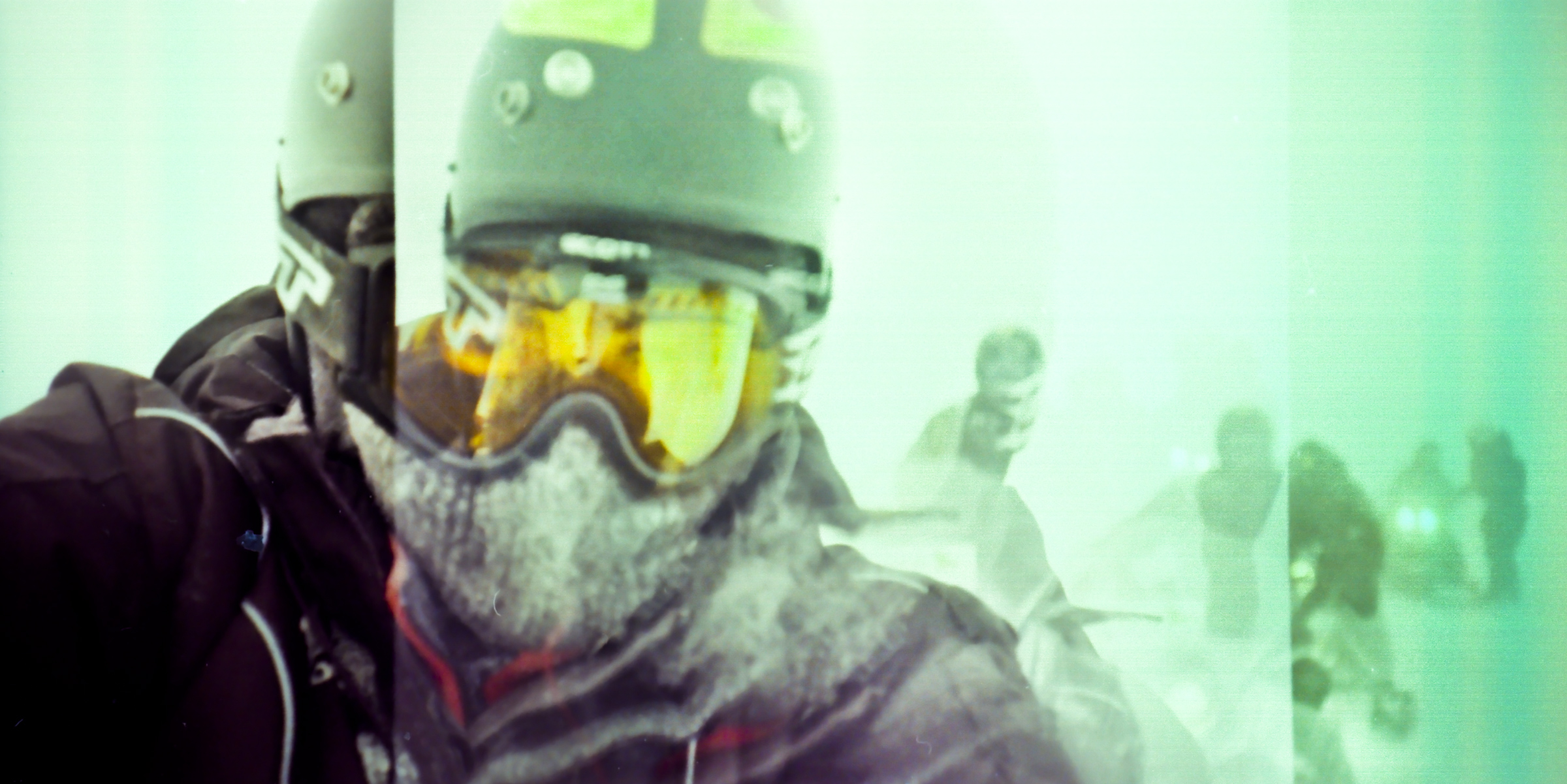
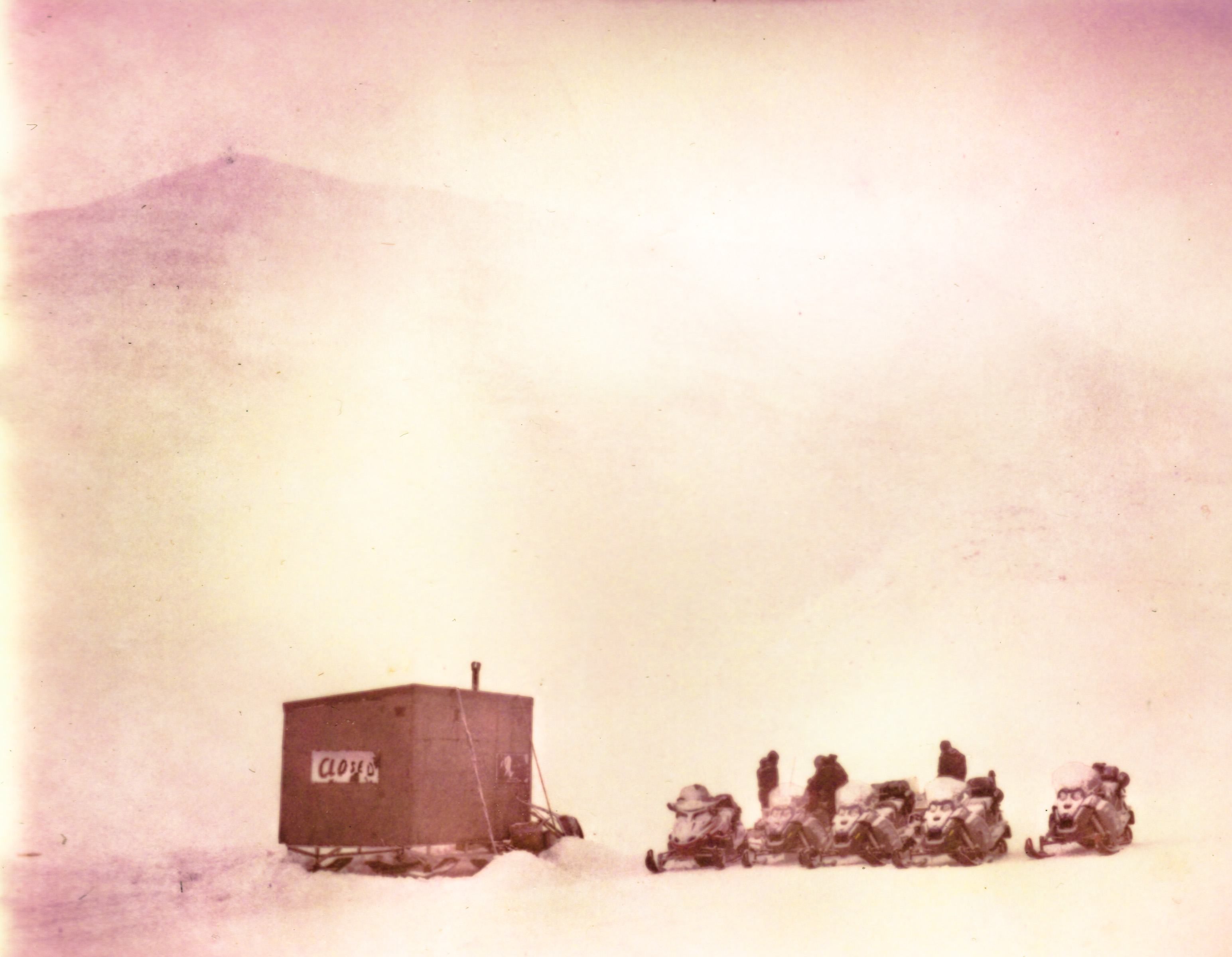
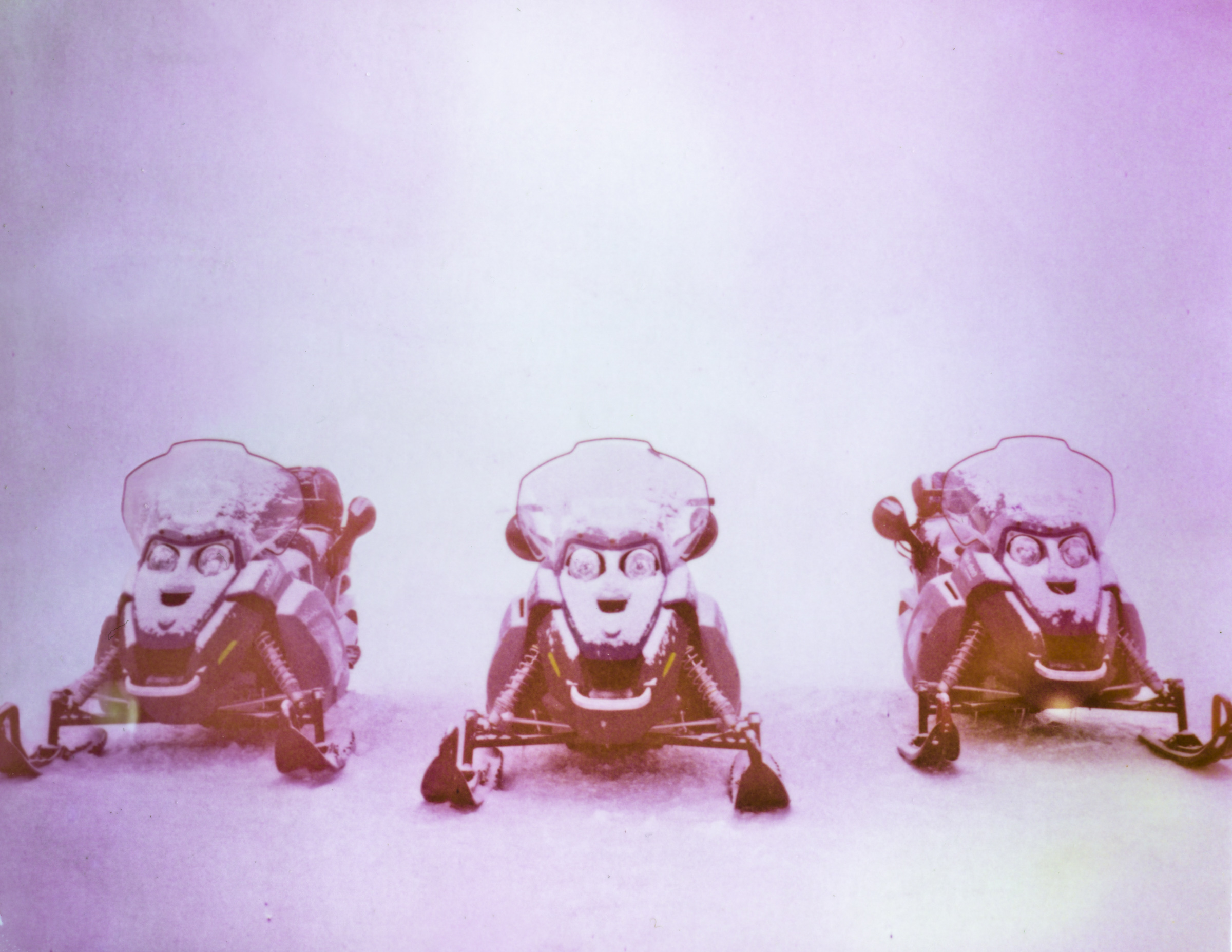
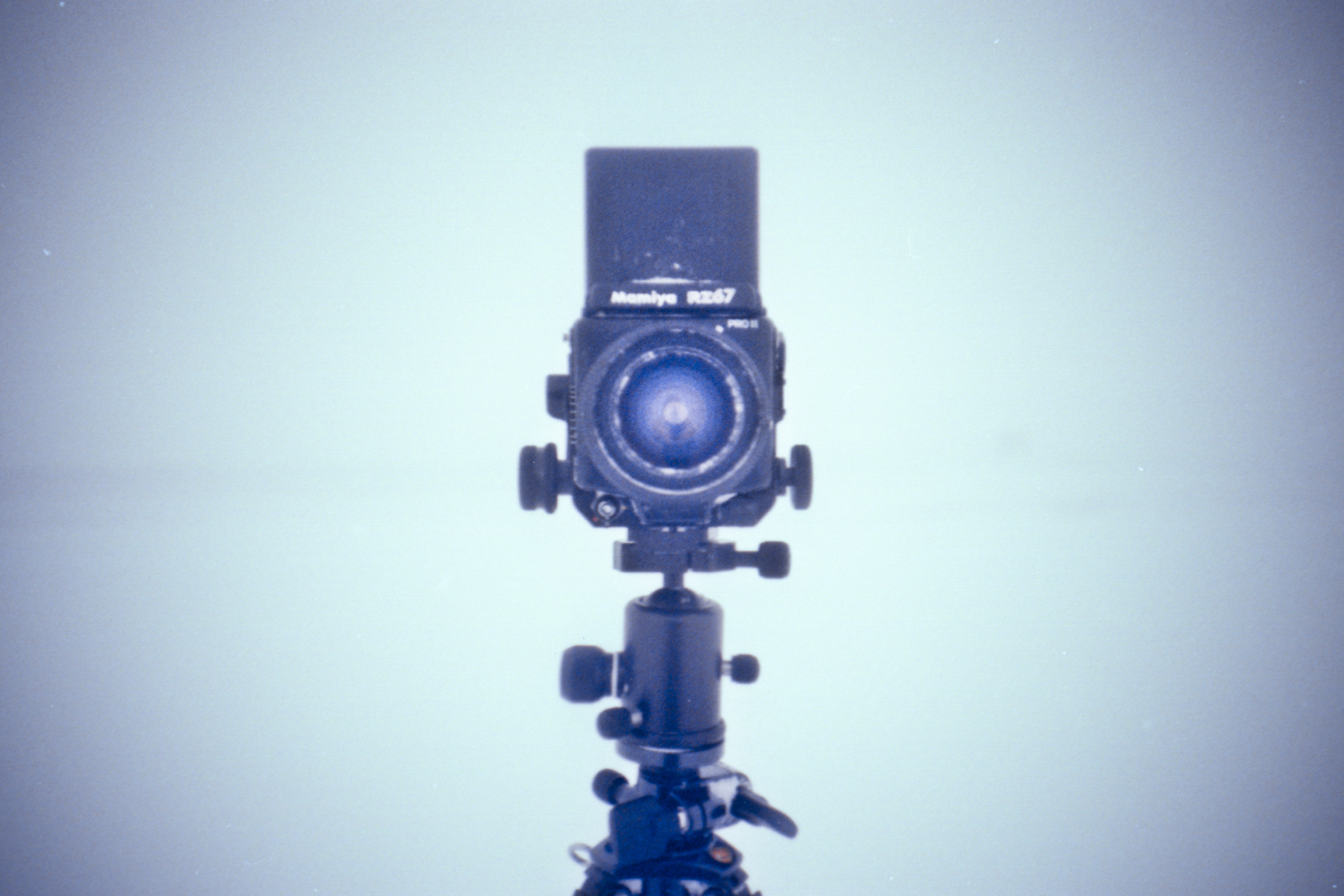
This trip marked a turning point in my practice, a deliberate commitment to photography as an art form separate from my music career. I brought six different cameras: Mamiya RZ67, Lomo LC-A, Polaroid SLR680, Polaroid 195, and an iPhone, determined to explore how different mediums would respond to the extreme environment. Working in sub-zero temperatures where film pods freeze and film winders stopped winding, each camera presented unique challenges and possibilities.
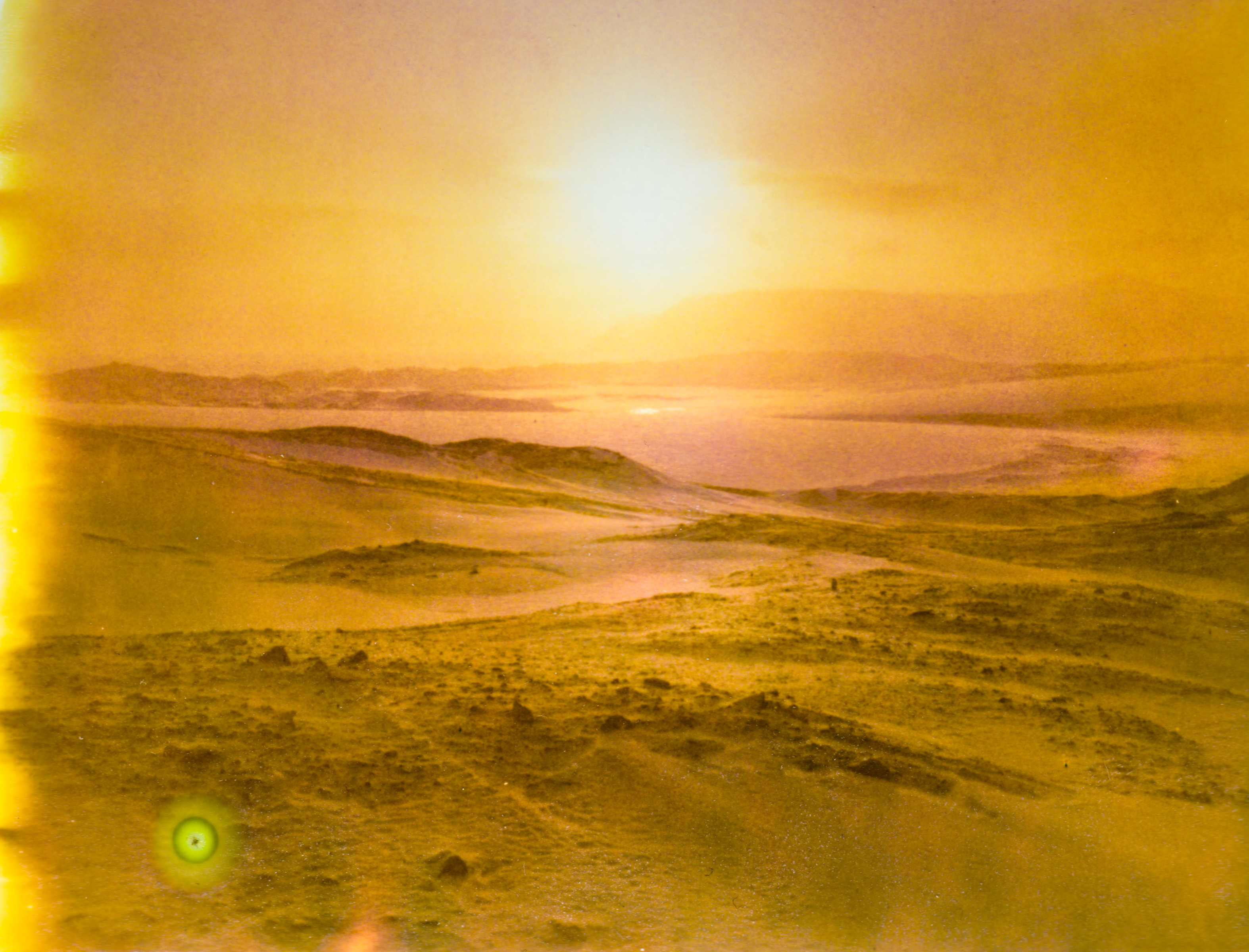
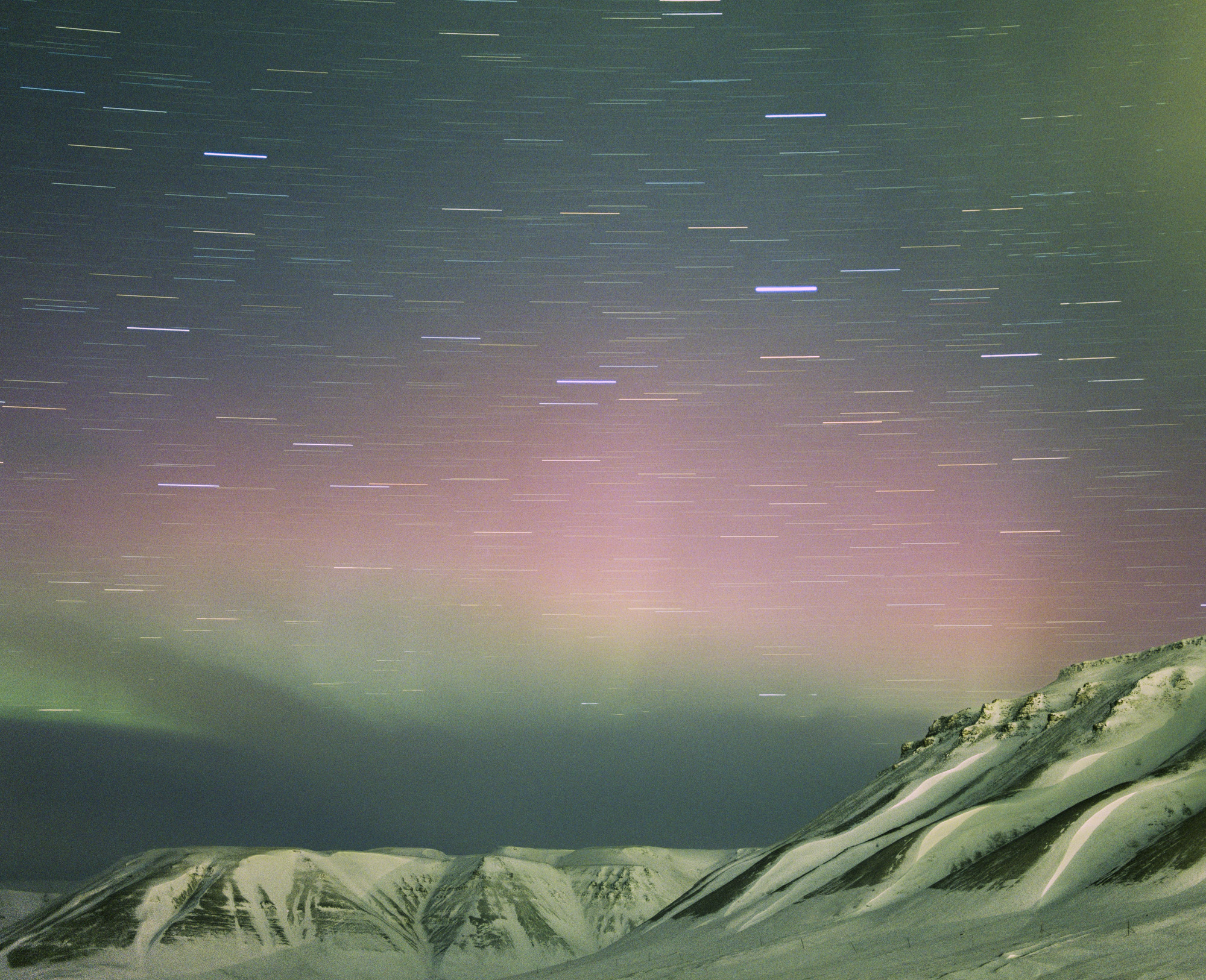
The expedition took place during polar winter when the sun never fully rises, instead skimming the horizon for roughly seven hours in perpetual golden hour. This extended twilight transformed the ice-covered wilderness into something otherworldly, painting familiar photographic concepts of time and light in entirely new terms. In a place where it’s literally illegal to die due to the permafrost preventing decomposition, every technical decision carried weight.
These images captured not just remote Arctic landscapes, but a pivotal moment of artistic discovery. The series established the foundation for everything that would follow in my work: the pursuit of extraordinary light in impossible places, the willingness to push equipment and process to their limits, and the understanding that some images can only exist when you’re willing to venture beyond the familiar into the sublime.